Spatial Computing and XR Workspaces
Spatial computing anchors 3D content in real-world coordinates via XR, revolutionizing 2026 collaborative workspaces.
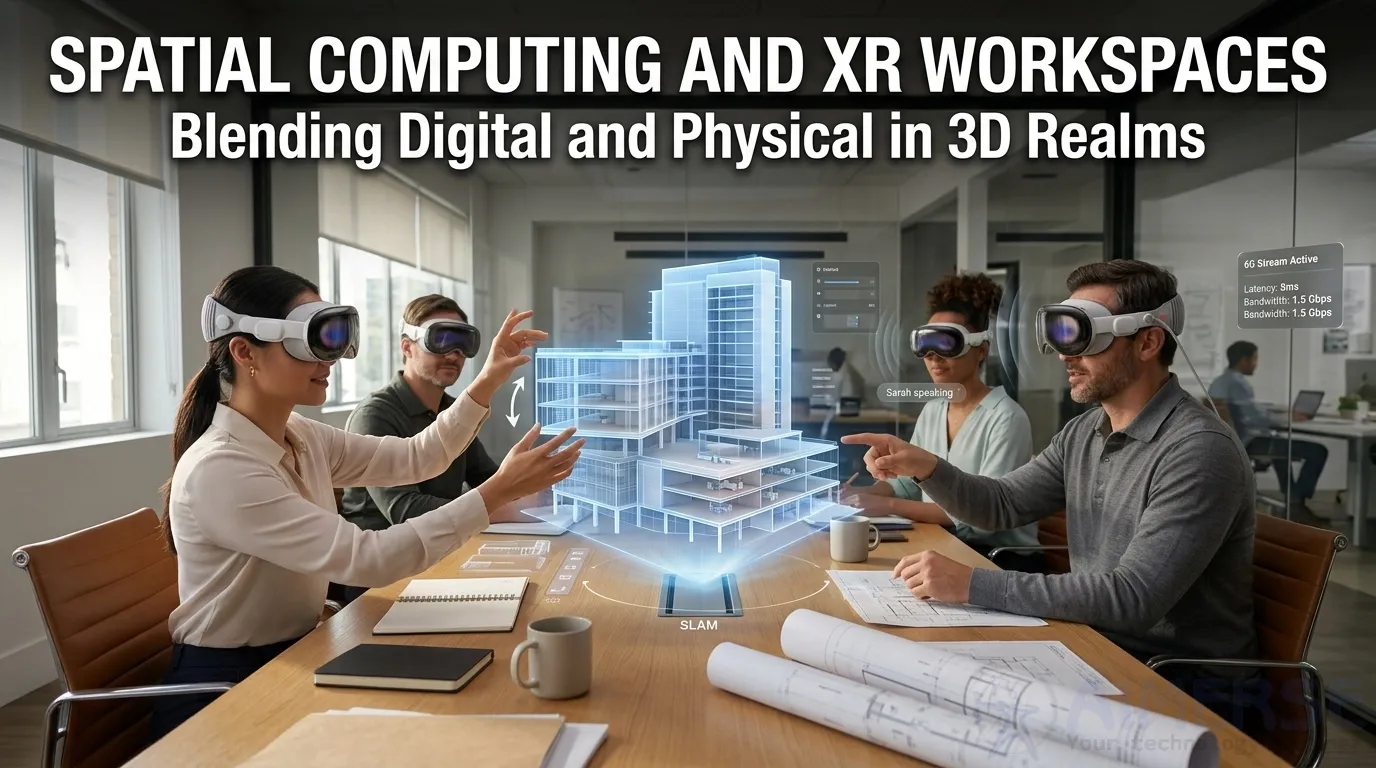
Spatial computing uses SLAM and hand-tracking to map the world and lock the hologram in place with an accuracy of less than 1 cm. Devices such as the Apple Vision Pro and the HTC Vive XR Elite allow for passthrough MR. Smart slicing in 6G technology reserves the required bandwidth for us to stream at a speed of 100 Mbps. Spatial platforms such as Spatial.io host a million users a month and boost collaboration speeds by 40% compared to traditional 2D video.
XR Workspace Essentials
- Anchoring: Objects persist across sessions with multi-user syncing enabled through WebRTC.
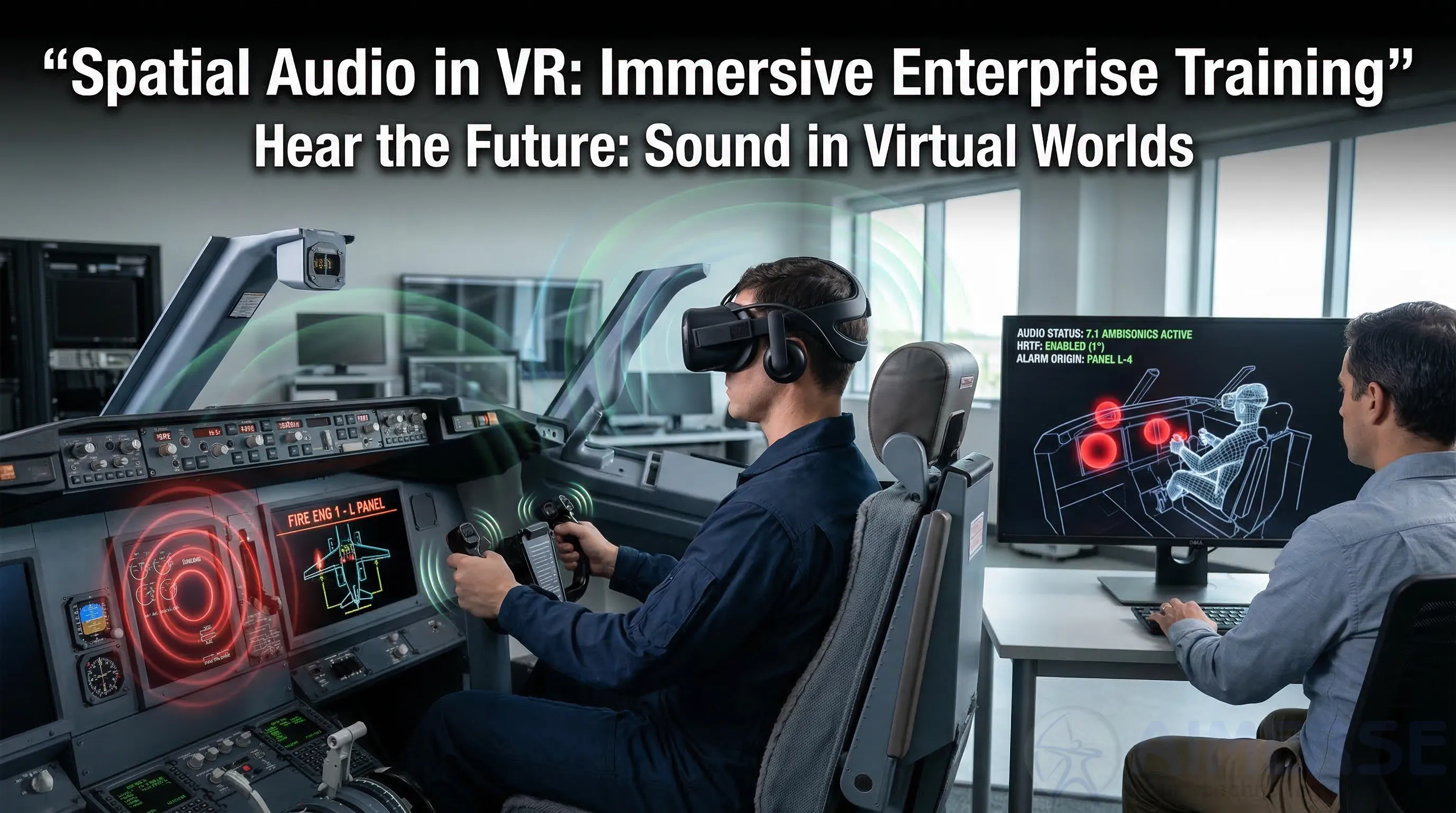
- Gestures and Voice: Pinch and drag 3D models with spatial audio enabling the sense of location.
- Hand-Tracking: 6-DoF controllers allow freeform manipulation of CAD models.
- Cross-Device: Phone AR and headset VR are linked together.
Tech Stack
- React.js is used for creating user interfaces in XR.
- Node.js is used for handling the application.
Firms are increasingly using the spatial web for a number of reasons, including the following:
Enterprise Applications
- Design Review: Architects are able to walk through buildings in 1:1 scale, resulting in a reduction in design revisions by 50%.
- Remote Training: Technicians assemble engines in a shared XR space.
- Data Visualization: 3D dashboards reveal insights three times faster.
ROI: McKinsey estimates a 30% increase in productivity.
Challenges and Solutions
- To avoid motion sickness in the user, we would use foveated rendering.
- To avoid the problem of bandwidth constraints, we would use edge caching.
Roadmap
- WebXR Prototypes
- Unity and 8th Wall Pilots
- Enterprise Platforms - Microsoft Mesh
Conclusion
The spatial XR would revolutionize the way we collaborate by the year 2026 through integrated toolchains such as React.js for creating user interfaces in XR, Node.js for handling the application, Python Django for spatial data, Laravel for XR prototyping, and Java Spring Boot for handling the backend. The dimensional leap in spatial computing would move us from the screen and into the realm of the intuitive and the infinite.