Agentic AI Systems: Autonomous Decision-Making for Enterprises
Enter the age of agentic AI, where autonomous agents guide the ship. They watch, think, plan, and execute, prodding an organization toward its objectives with astonishingly little direct assistance. A new and shining era dawns—one that abandons the traditional siloed tech mentality and solves hard problems with a minimum of human input.
By 2026, these intelligent agents, fueled by large language models, reinforcement learning, and planning algorithms, will perceive the world through APIs and sensors, think through clean, step-by-step logic, and implement their plans. They will invoke APIs, query databases, and perform a broad spectrum of tasks. Already, many firms are witnessing a 30-50% boost in efficiency in such areas as supply chain optimization and customer support as agents learn to self-correct and optimize with only light human supervision.
Agentic System Building Blocks
An agentic system is founded on these components:
- Perception Layer: Real-time data feeds from enterprise systems (CRM, ERP) via React.js/Node.js integration.
- Reasoning Engine: Either chain-of-thought reasoning or Monte Carlo Tree Search to navigate through uncertain terrain.
- Action Toolkit: A list of pre-defined actions (emailing and data queries) that can be extended using Python Django backends.
- Memory Module: Short-term and long-term memory to retain context and learn from previous actions.
However, the development of these systems can be made easier with the use of LangChain or Auto-GPT, easily integrated with Laravel or Spring Boot, to unlock full-fledged enterprise solutions.
Enterprise Solutions
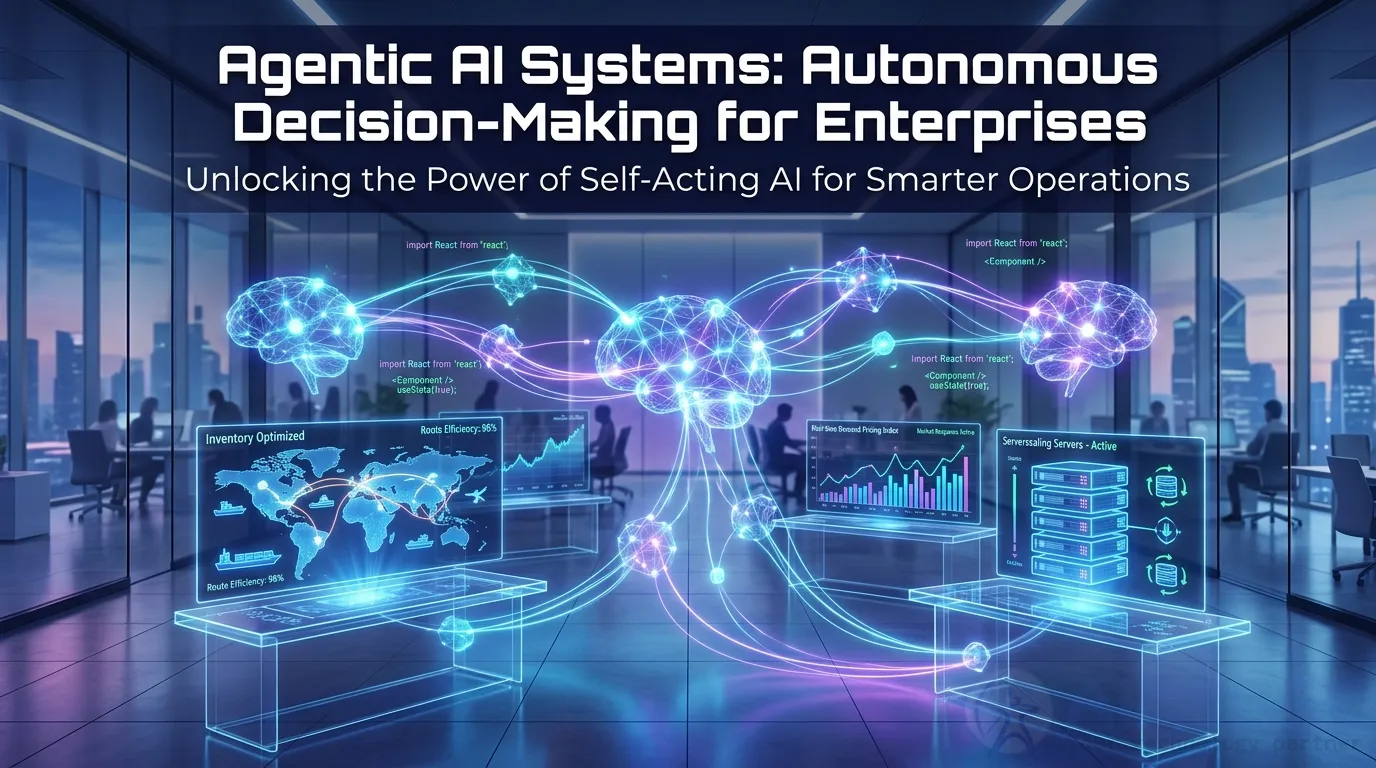
- Workflow Optimization: Support agents can categorize and prioritize inquiries, with automated tasks taking care of most, more difficult ones escalated to human support, and the rest handled by Spring Boot APIs.
- Dynamic Pricing: In e-commerce, support agents can view real-time market information and competitor prices, enabling price changes on the fly through Node.js services.
- Resource Management: IT support can forecast server requirements and automatically scale Django apps on cloud infrastructure.
Of course, there are challenges to be addressed—hallucinations to be detected and corrected through verification loops and security issues to be addressed through sandboxed execution.
Implementation Roadmap
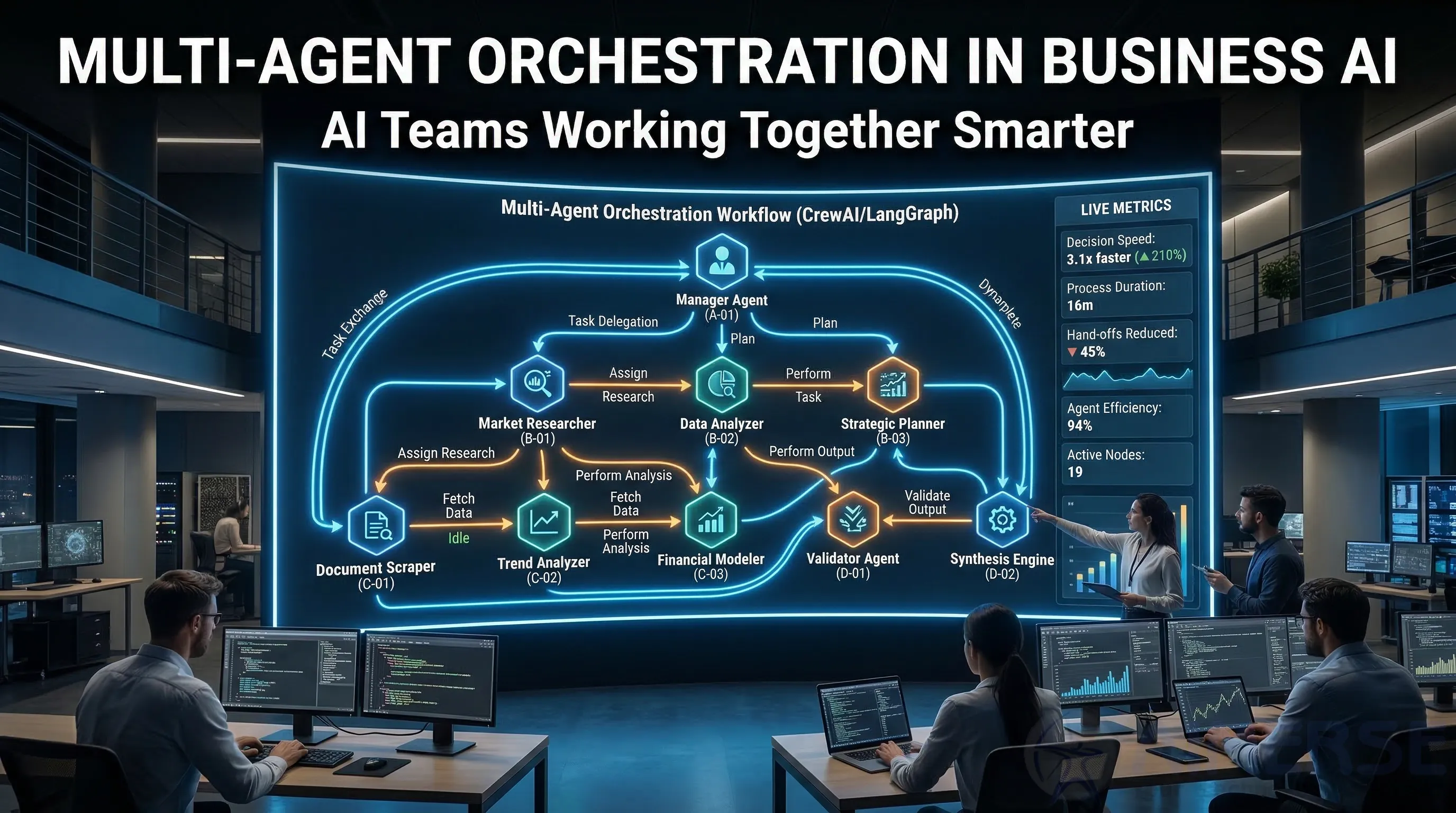
Keep it simple: start with a single-agent reporting system and a React.js interface. Then expand to multi-agent swarms working together in Java. CrewAI platforms make this possible, seamlessly integrating with your tech stack and providing rapid ROI.
Conclusion
As agentic AI systems become more widespread, integrating them with custom software developed with a sophisticated React.js frontend and a Node.js backend will provide a clear competitive advantage for enterprises.