Edge Computing Evolution: Real-Time Processing at the Source
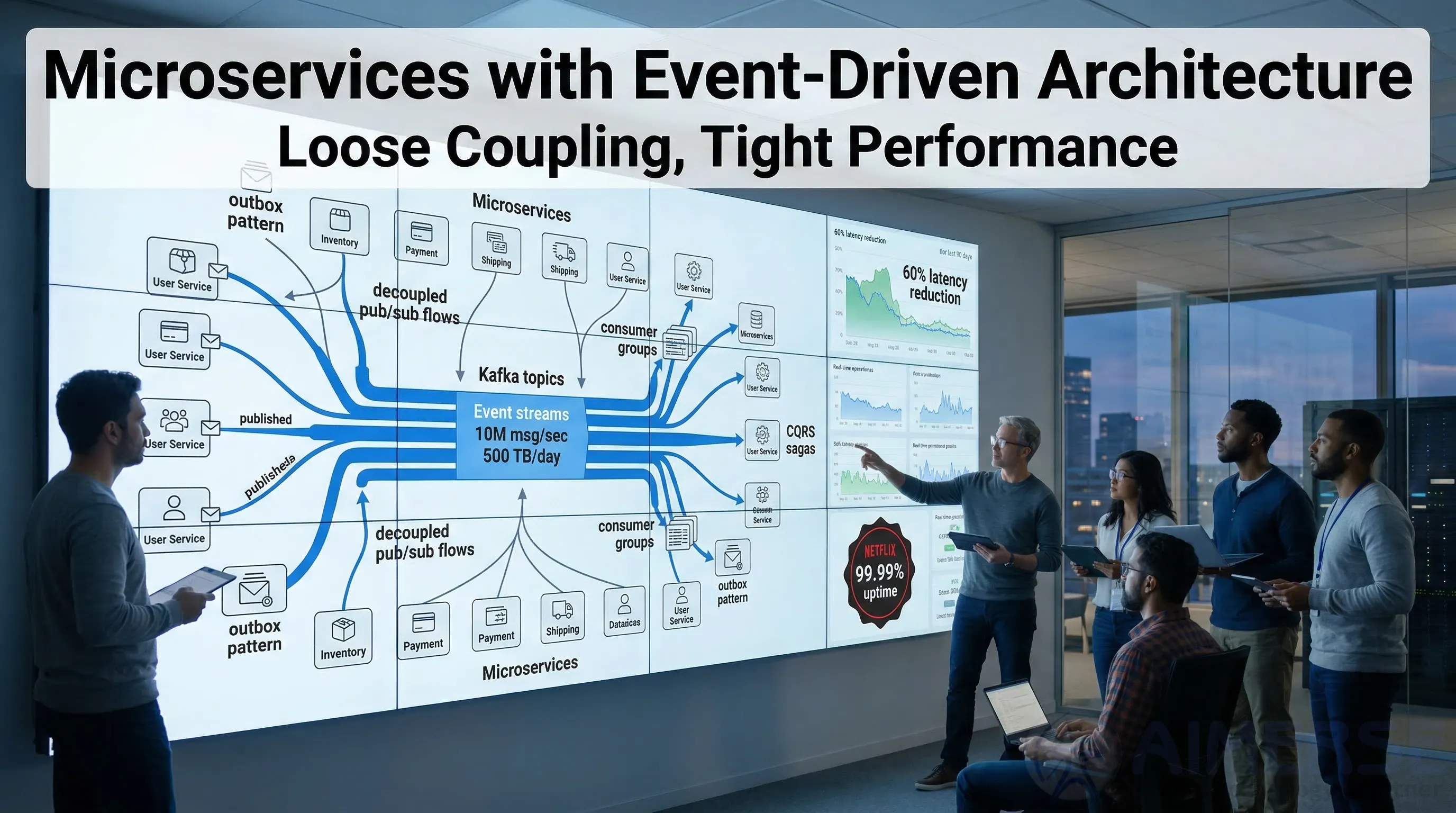
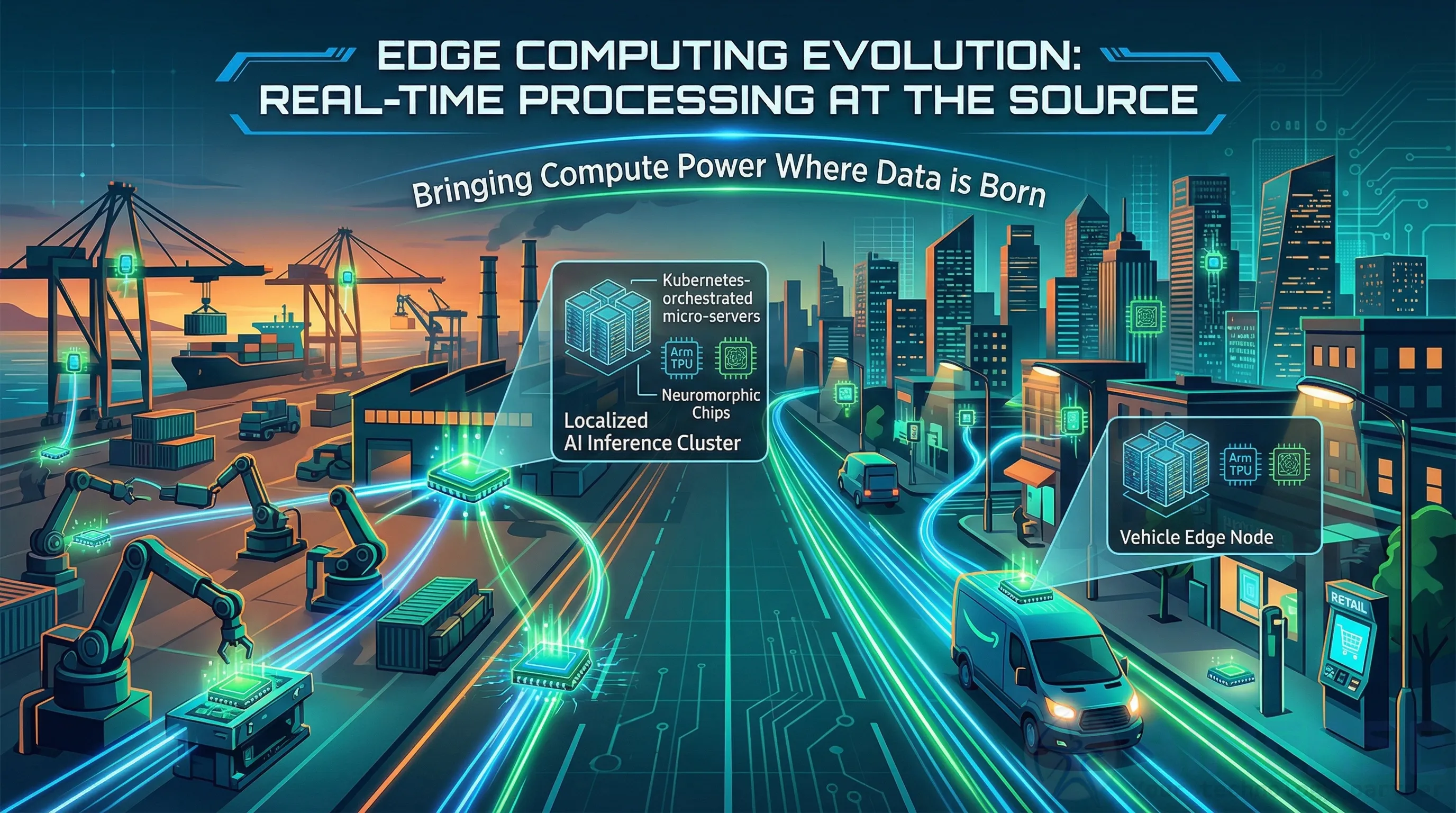
Edge computing in 2026 is all about performing the heavy lifting directly in the vicinity where the data is being created. The edge ecosystem stacks distributed AI inference on top of 5G/6G, MEC, and neuromorphic silicon, reducing cloud traffic by as much as 80% and providing sub-millisecond latency. Gartner forecasts that enterprise edge solutions will support 75% of applications, up from 10% in 2023. Kubernetes federation makes cluster orchestration management easier.
Edge Pillars
- Hardware: Arm-based gateways with ML accelerators (TPUs) that provide about five times the performance of x86.
- Orchestration: Lightweight Kubernetes solutions such as K3s for IoT clusters.
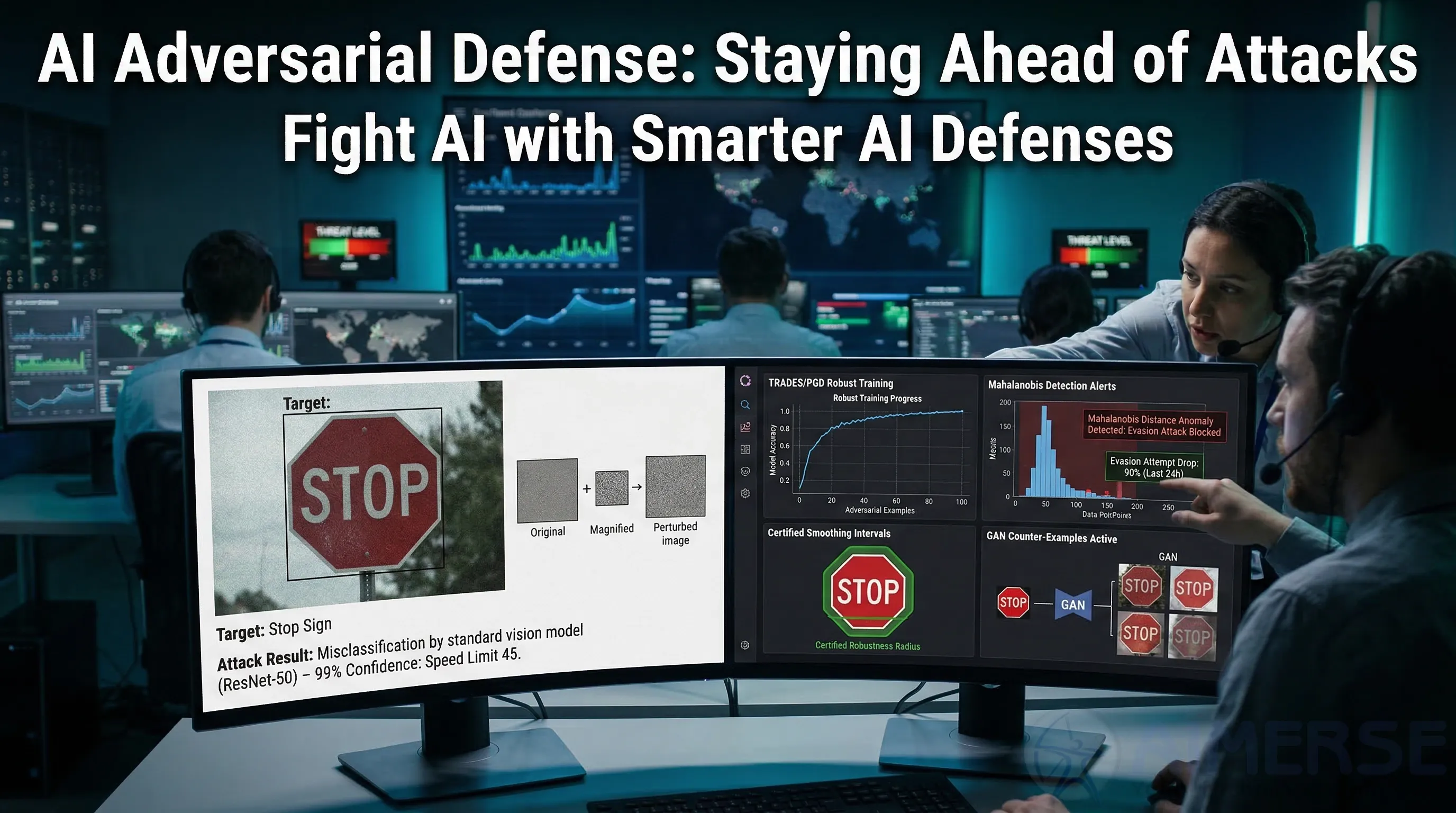
- Security: Zero-trust enclaves (SGX-like) that keep data local and secure.
- Syncs: Node.js for event streams, Django for analytics integration.
Enterprise Applications
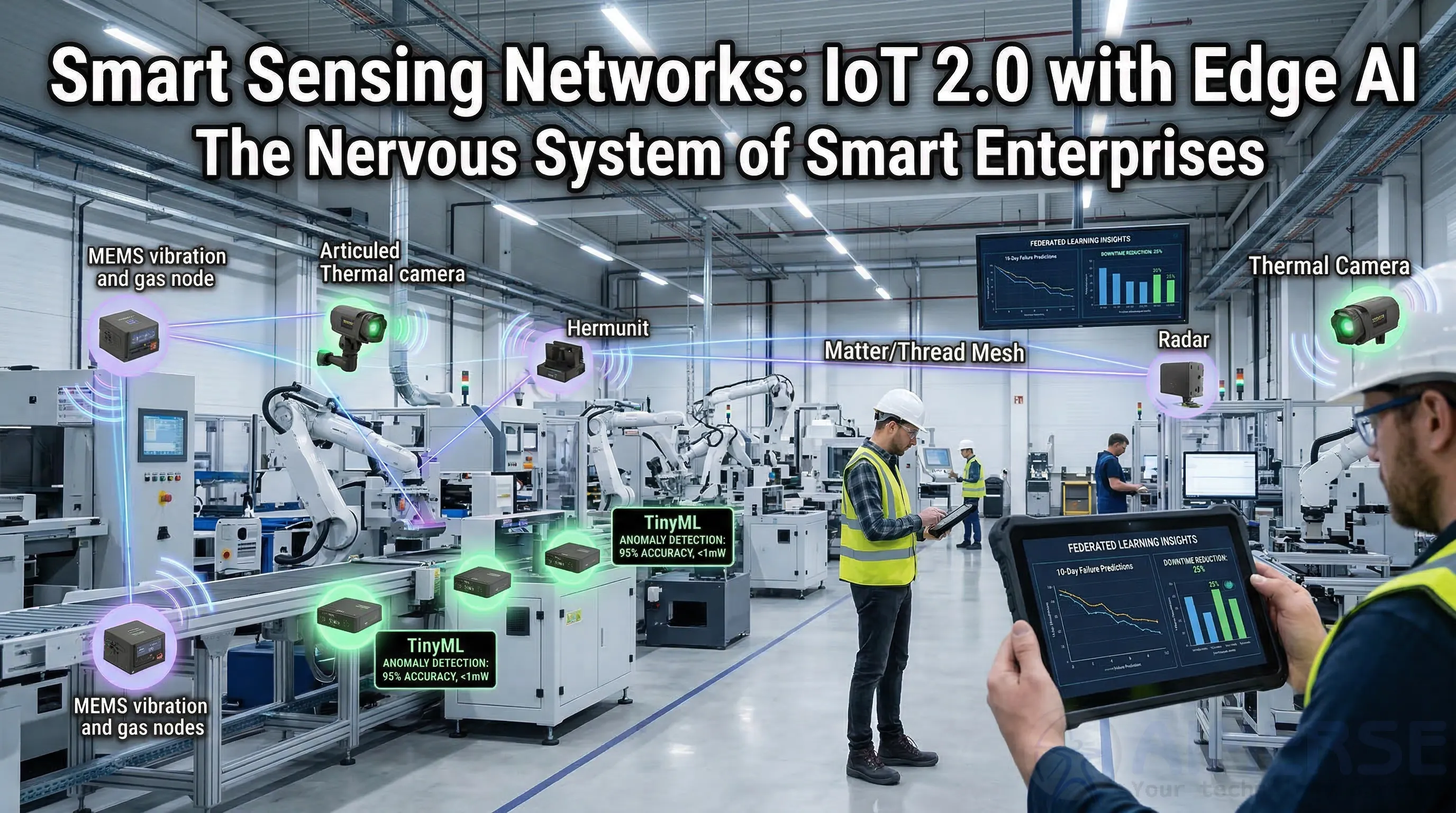
- Industrial: Sensors predict failures and self-optimize instruments using Spring Boot.
- Retail: In-store computer vision for theft protection and real-time inventory management with Laravel.
- Autonomous Vehicles: V2X reasoning occurs at the edge, eliminating cloud roundtrips.
Challenges
Orchestration complexity (solved by OpenZiti) and power consumption.
Deployment Handbook
- Begin with workloads: focus on latency-sensitive tasks to remain at the edge.
- Containerize with Docker; deploy apps with React.js dashboards for orchestration.
- Hybrid deployment: edge nodes remain in sync with main Django codebases.
- Serverless edge scaling (Cloudflare Workers).
GCP and AWS edge zones are production-ready in 2026.
Conclusion
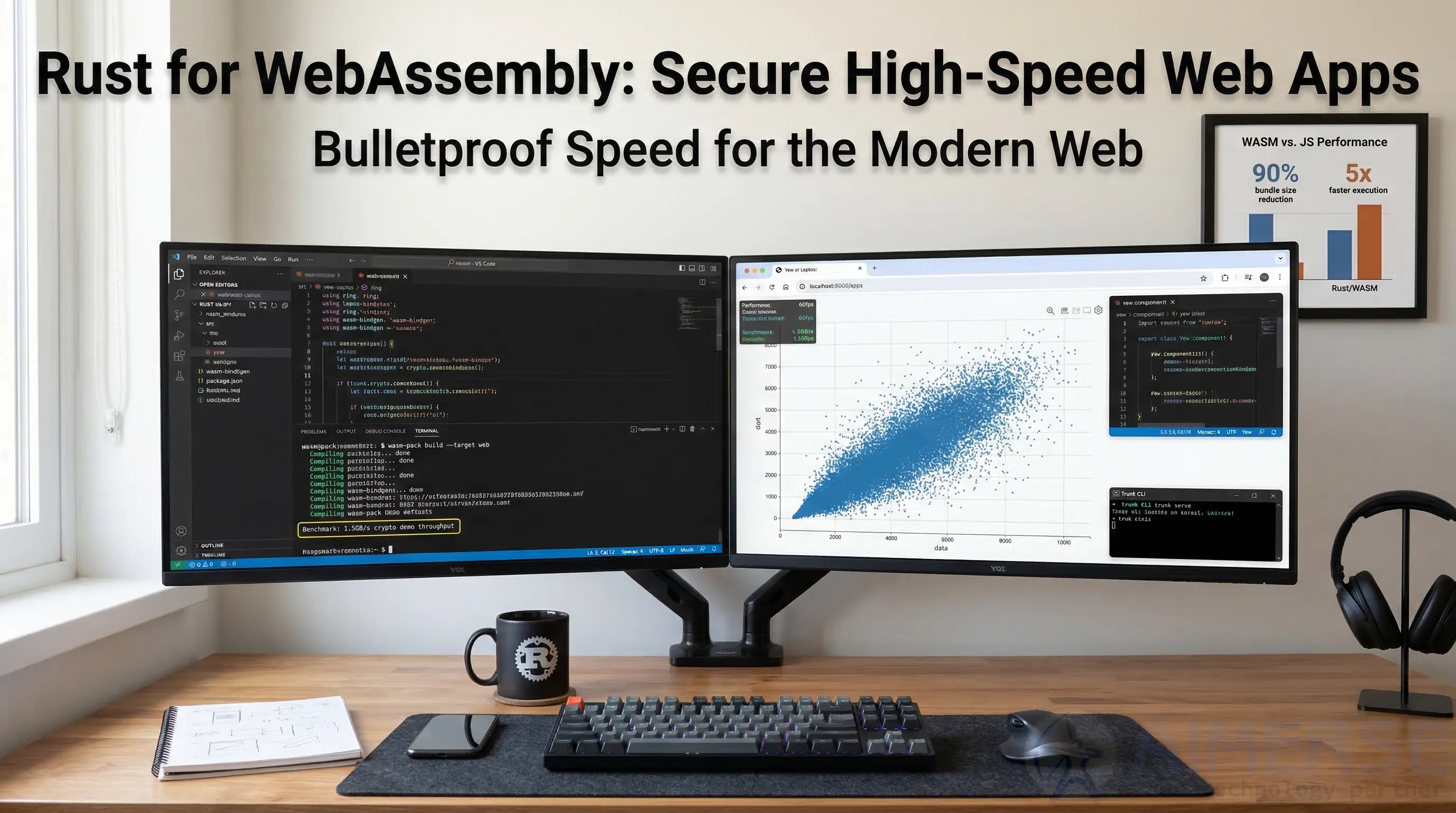
In 2026, edge computing is all about low-latency processing on multiple stacks: React.js for real-time dashboards, Node.js gateways for event streams, Python Django for edge analytics, Laravel for rapid edge deployment, and Java Spring Boot for industrial-strength reliability. This distributed intelligence enables systems to respond instantly at the edge, converting data sources into productive assets without fully replacing the core infrastructure.